
Remix Culture: When Reusing Art Is Fair and When It Is Not
You’re scrolling through a new NFT drop and something stops your thumb: a pixel art character that looks almost exactly like one you’ve loved for years, just with a different hat and a fresh background. Is this a loving tribute, a clever remix, or a straight-up rip-off? If you’ve ever felt that flicker of recognition and unease, you’re not alone. Remix culture sits at the heart of digital art, and in Australia it’s growing fast — which means we all need to get better at telling the difference between homage and theft.
The Remix Spectrum: From Homage to Theft
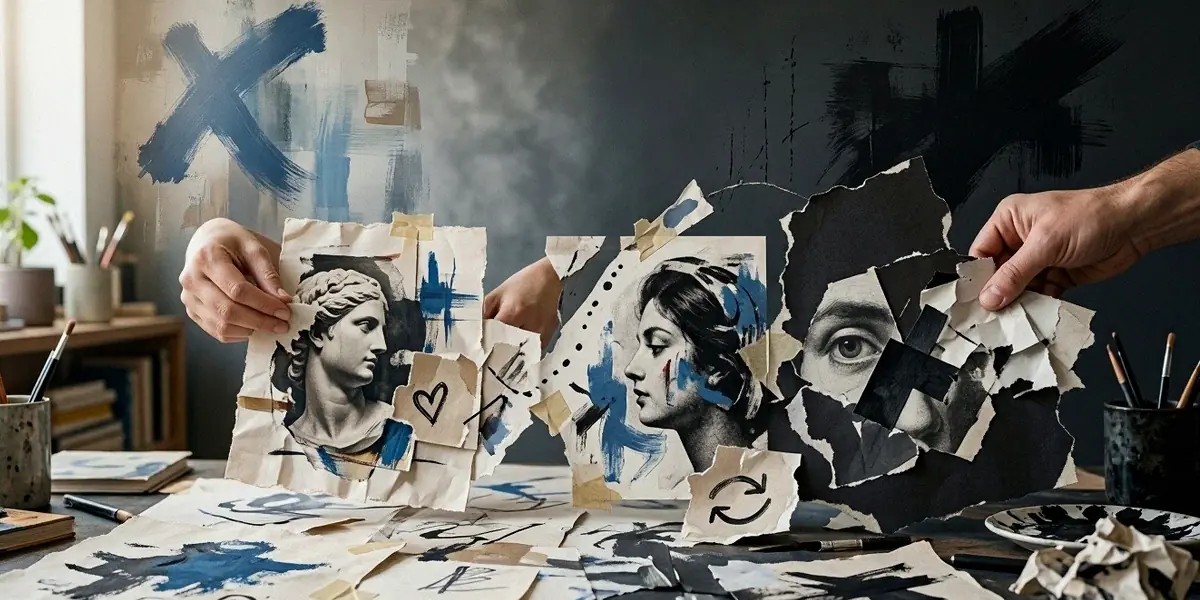
Remix culture is the practice of taking existing creative work and building something new from it. It’s not a new idea. Andy Warhol’s Campbell’s Soup Cans turned a supermarket product into fine art, and nobody seriously argues that Warhol invented soup. Today, pixel artists on marketplaces like OpenSea remix retro game sprites, meme formats and cartoon characters into new works every single day. Some of it is brilliant. Some of it is lazy. Some of it is illegal.
What Counts as Remix?
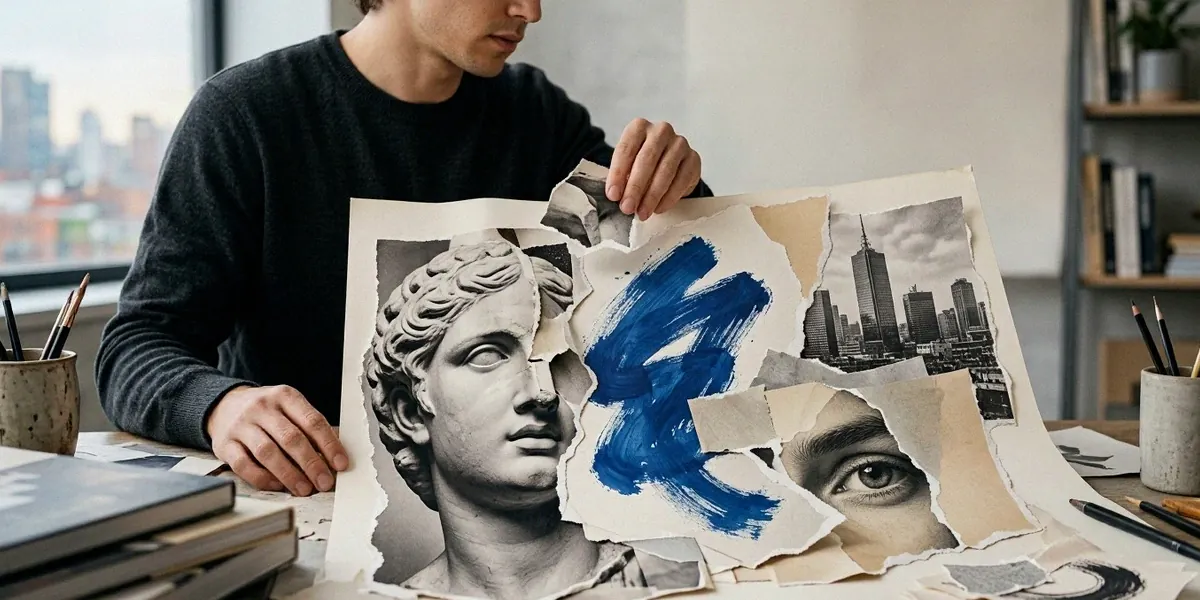
Broadly, a remix transforms an existing work rather than simply copying it. That can mean reimagining a character in a new style, sampling a visual motif, or building a derivative piece that comments on the original. The key question is whether you’ve added something meaningful — new meaning, new context, new craft — or just repackaged someone else’s effort as your own.
The Difference Between Inspiration and Infringement
Inspiration is absorbing influences and letting them shape your own original voice. Infringement is reproducing a substantial part of someone else’s protected work without permission. The line isn’t always obvious, but a few practical markers help:
- Transformation: Does your work add new meaning, or is it a near-copy?
- Substantial part: Have you taken a recognisable, protected chunk of the original?
- Credit: Are you honest about your sources, or hiding them?
- Commercial impact: Could your version undercut the original artist’s market?
Legal Frameworks: Copyright, Fair Use, and Australian Law
In Australia, copyright is governed by the Copyright Act 1968. It protects original artistic works automatically from the moment they’re created — no registration required. That means your pixel art, your generative outputs and your collectible card designs are protected the moment they exist in a material form.
Fair Dealing in Australia vs. US Fair Use
Here’s where a lot of people get confused. The United States has a broad “fair use” doctrine. Australia has narrower “fair dealing” exceptions, which cover specific purposes like research, study, criticism, review, parody, satire, reporting news and professional advice. There is no general “it’s transformative, therefore it’s fine” defence in Australia. If you’re remixing someone’s art and relying on US fair use arguments, that reasoning may not hold up under Australian law.
NFTs and Copyright: What You Need to Know
Buying an NFT does not automatically buy you the copyright. In most cases, you’re buying a token that points to an artwork — not the underlying intellectual property. Recent NFT copyright disputes overseas have made this painfully clear, with courts and marketplaces forced to untangle who actually owns what. If you’re minting, selling or remixing, check the licence terms carefully before you assume you have rights you don’t.
Pixel Art and Collectible Cards: A Remix Haven
Pixel art and collectible cards are natural homes for remix culture. Their low-resolution, modular nature makes them easy to reinterpret, and their nostalgia factor invites playful homage. Australian creators are active here — local projects like Pixel Aussies have built communities around distinctly local pixel characters, and Aussie artists on platforms like Foundation regularly experiment with derivative styles.
The Rise of Pixel Art Remixes
From Pokémon-inspired sprite edits to retro arcade reinterpretations, pixel remixes thrive because the source material is beloved and the format is forgiving. But popularity doesn’t equal permission. If you’re remixing a protected character, you still need to respect the original rights holder — even if your version is 16×16 pixels.
Collectible Cards: Fan Art or Forgery?
Fan art of collectible card characters is generally tolerated when it’s non-commercial, clearly credited and not passed off as official. Forgery is different: it’s when a remix is sold as the real thing, or when an artist’s signature style is copied wholesale for profit. The distinction matters, especially when money changes hands.
Generative Art: Code, Ownership, and Remix Ethics
Generative art adds a fascinating layer to this conversation. The National Gallery of Victoria’s Triennial has featured generative works, and platforms like Art Blocks have turned algorithmic art into a serious collecting category. But when the art is produced by code, who owns the output — the coder, the collector, or the algorithm?
Who Owns Generative Output?
Generally, the person who wrote the code owns the copyright in that code and, in most cases, in the outputs it produces — unless the licence says otherwise. When you mint a generative piece, you’re usually buying the token and a licence to display the output, not the underlying algorithm.
Remixing Code: Ethical Considerations
Forking someone’s generative script, tweaking a few parameters and releasing it as your own is a common practice — and a common source of friction. Ethical remixing means crediting the original coder, respecting their licence, and being transparent about what you changed.
NFT Scams: When Remixing Turns Criminal
Not every remix is innocent. Some are outright fraud. The ACCC’s Scamwatch has repeatedly warned Australians about crypto and NFT scams, including fake drops, rug pulls and stolen art minted under someone else’s name. One notable example was the so-called “Fake Banksy” NFT scam, where a fraudster minted and sold a token falsely attributed to the artist — a stark reminder that remix culture can be weaponised.
Red Flags of a Remix Scam
- No verifiable artist identity or history
- Art that appears elsewhere under a different creator
- Pressure to buy fast, with artificial scarcity
- Anonymous teams with no community track record
- Promises of guaranteed returns
How to Protect Your Art
Watermark previews, register your work with a timestamping service, publish under a clear licence, and keep records of your creative process. If you spot your art being minted by someone else, report it to the marketplace and consider legal advice.
Building a Fair Remix Culture in Australia
A healthy remix culture isn’t about locking everything down — it’s about clear rules and mutual respect. Communities like the Australian Digital Art Collective are doing good work here, connecting creators and promoting ethical practice. We think Australia can lead by example.
Best Practices for Remixers
- Credit the original artist clearly and prominently.
- Check the licence before you remix — Creative Commons terms vary.
- Ask permission when in doubt, especially for commercial use.
- Add genuine transformation, not just a colour swap.
- Support the original creator where you can.
How to Support Original Artists
Buy directly from artists, share their work with credit, back local projects, and call out scams when you see them. Small, consistent actions build a culture where originality is rewarded and copying is discouraged.
A healthy remix culture balances creativity with respect for original creators. Whether you’re collecting pixel art, trading cards or generative pieces, staying informed and ethical makes the whole scene stronger — and keeps Australian digital art worth celebrating.
FAQ
Is remixing someone else’s art legal in Australia?
It depends. Under the Copyright Act 1968, remixing without permission is generally an infringement unless it falls within a specific fair dealing exception, such as parody, satire, criticism or review. There is no broad fair use doctrine in Australia like there is in the US.
Do I own the copyright when I buy an NFT?
Usually not. Buying an NFT typically gives you a token and a limited licence to display the artwork, not the copyright itself. Always read the terms of the drop before assuming you can reproduce or remix the work commercially.
What should I do if someone mints my art as their own NFT?
Report the listing to the marketplace immediately, gather evidence of your original creation, and consider sending a takedown notice. For serious cases, seek legal advice and report the matter to Scamwatch if fraud is involved.
Are pixel art remixes of famous characters allowed?
Only if you have permission or your use falls under a fair dealing exception. Nostalgia and low resolution don’t exempt you from copyright. Non-commercial fan art is often tolerated, but selling it is a different matter.
How can I support Australian digital artists ethically?
Buy directly from creators, share their work with proper credit, back local collectives like the Australian Digital Art Collective, and avoid platforms or drops that trade in stolen or uncredited art.