
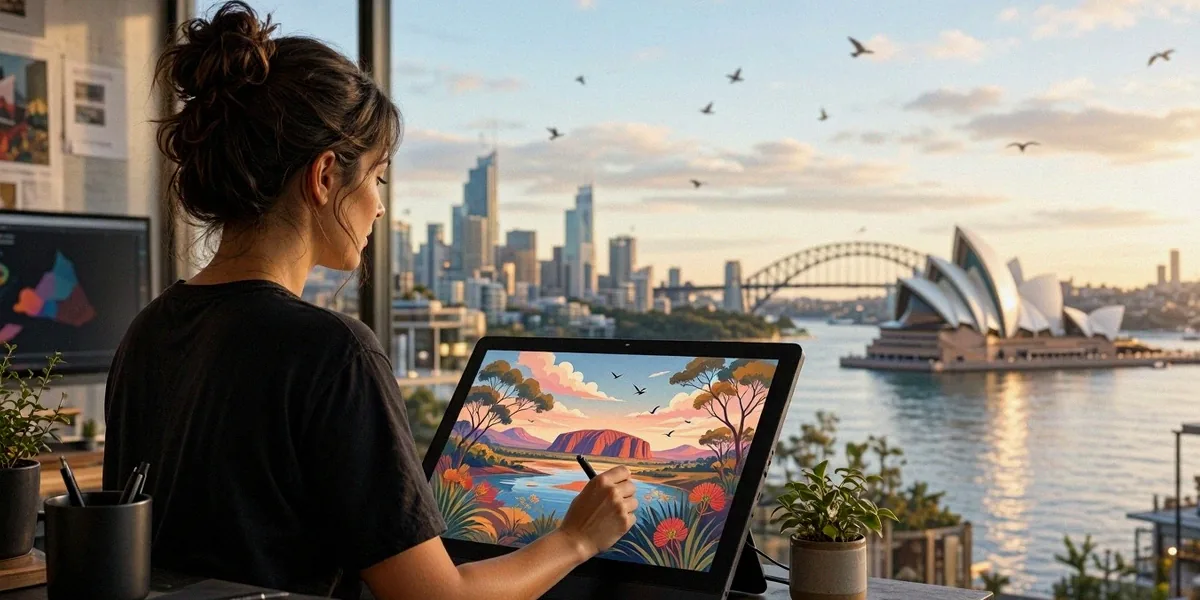
Australian Digital Artists and Where to See Their Work
The first time we wandered into a small Surry Hills gallery and found ourselves staring at a glowing, algorithmically generated canvas that shifted colours every few seconds, we realised something had changed. Digital art in Australia is no longer a niche curiosity tucked away in forum threads — it’s hanging in national institutions, selling at major auctions, and filling warehouse spaces in Sydney and Melbourne. Whether you’re a pixel art enthusiast, a collectible card trader, or someone who just appreciates generative visuals, there’s never been a better time to explore what Australian digital artists are creating. Here’s our guide to the scene, the people shaping it, and where you can see their work.
The Rise of Digital Art in Australia
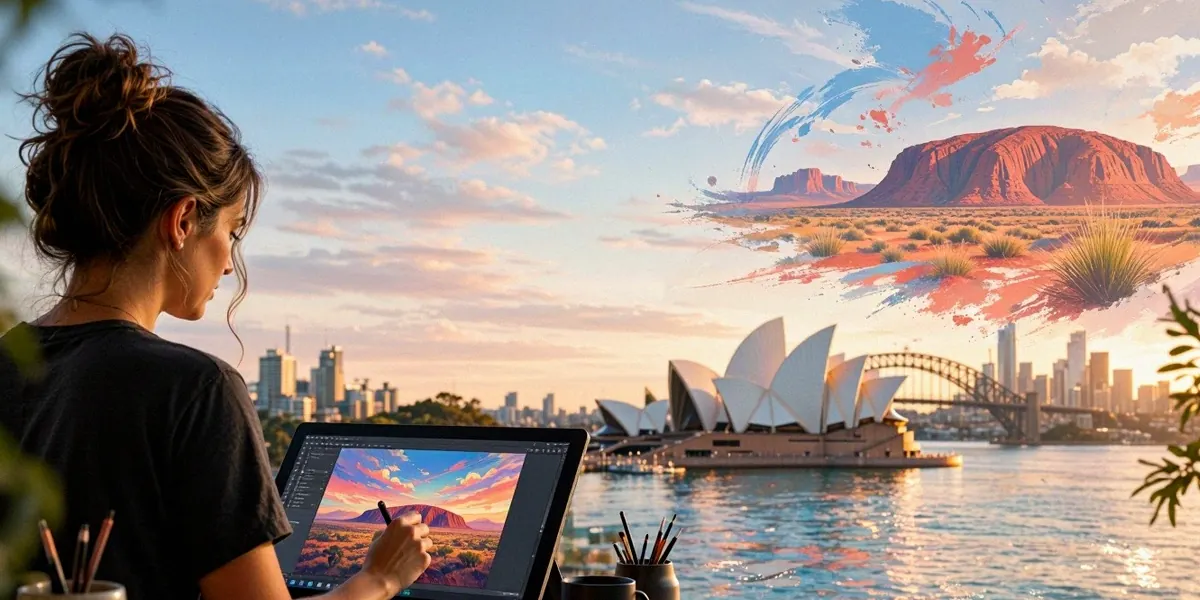
Australia’s digital art community has grown from scattered online forums into a genuine cultural force. Platforms like Instagram and Behance gave local artists a global audience without needing a gallery contract, while institutions have caught up fast. The National Gallery of Australia in Canberra now maintains a growing digital art collection, signalling that screen-based and code-driven work belongs alongside traditional media.
From Pixels to Prestige: A Brief History
Through the 1990s and 2000s, Australian digital artists mostly congregated on niche message boards and early DeviantArt communities. Recognition came slowly. The turning point was twofold: social media made discovery instant, and cultural institutions began acquiring and exhibiting digital works rather than treating them as novelties. Today, digital art sits comfortably within the programming of major festivals, galleries, and museums across the country.
How Australian Artists Are Shaping Global Trends
Australian creators punch well above their weight internationally. From animation studios contributing to global game releases to generative artists showing in overseas biennales, the local scene exports talent and ideas constantly. The country’s isolation has arguably helped — with fewer legacy gatekeepers, artists here experiment more freely with new tools and formats.
Pixel Art Pioneers Down Under
Pixel art holds a special place in Australia’s digital art identity. It’s accessible, nostalgic, and technically demanding when done well — and a handful of Australians have become genuine global names in the field.
Paul Robertson and the International Pixel Art Scene
Paul Robertson is a renowned Australian pixel artist known for his work on Scott Pilgrim vs. The World, where his frenetic, detailed sprite animation gave the film its distinctive video-game energy. His style — dense, colourful, and full of motion — has influenced a generation of pixel artists worldwide. Robertson’s career shows that Australian pixel work can reach international audiences without leaving the country.
Local Pixel Art Communities and Exhibitions
Beyond individual stars, collectives like the Australian Pixel Art Association connect hobbyists and professionals through online showcases and in-person meetups. Gaming conventions are the best place to see pixel art in the wild — PAX Australia in Melbourne regularly features indie developers and pixel artists exhibiting their work. If you want to get involved, here’s where to start:
- Follow Australian pixel artists on Instagram and X (Twitter) — many post work-in-progress timelapses
- Join local Discord servers and the Australian Pixel Art Association’s community channels
- Attend PAX Australia and smaller indie game meetups in your city
- Browse itch.io for Australian-made pixel art games and asset packs
Collectible Cards and Digital Trading in Australia
Digital collectible cards have exploded in popularity, and Australia is home to one of the companies driving the trend globally. What started as a crypto curiosity is now a legitimate hobby with trading communities, tournaments, and marketplace economies.
Immutable and the Rise of Blockchain Collectibles
Immutable is an Australian blockchain company behind the digital collectible card game Gods Unchained. Based in Sydney, the company built its own layer-2 scaling technology to make trading cards fast and cheap, and it’s since powered dozens of other games and collectibles. For Australian collectors, Immutable’s local roots mean easier access to events, community support, and a sense that the hobby isn’t just an overseas phenomenon.
Where to Trade and Showcase Your Digital Card Collection
Trading happens across a mix of dedicated marketplaces and community-run spaces. Local meetups in Sydney, Melbourne, and Brisbane give collectors a chance to swap cards, compare decks, and learn the ropes from experienced players. Online, platforms built on Immutable’s technology and other blockchain networks host active secondary markets. Our advice: start with community meetups before diving into marketplaces, so you understand pricing and rarity before you spend.
Generative Art: Australian Innovators to Watch
Generative art — where code, algorithms, or autonomous systems produce the visuals — has become one of the most exciting corners of the Australian scene. It sits at the intersection of programming, design, and conceptual art, and Australian practitioners are earning serious international attention.
Jonathan McCabe and Algorithmic Art
Jonathan McCabe is a Canberra-based artist whose algorithmic works mimic biological processes — reaction-diffusion systems, neural growth patterns, and self-organising structures. His pieces have been exhibited internationally and collected by institutions, and he’s a strong example of how Australian generative artists blend scientific rigour with aesthetic instinct.
Generative Art Events and Galleries in Sydney and Melbourne
The Sydney Generative Art Meetup brings together coders, designers, and artists to share techniques and show work in progress. Carriageworks in Sydney hosts exhibitions featuring generative and digital art, often as part of larger cultural festivals. In Melbourne, the Museum of Contemporary Art Australia and independent spaces regularly programme screen-based and computational work. If you’re new to the scene, these events are the fastest way to meet the people actually making the work.
Navigating NFT Scams in the Australian Digital Art Space
We’ve watched too many Australian artists and collectors get burned by bad actors. The NFT boom brought genuine opportunity, but it also brought fake marketplaces, rug pulls, and phishing schemes targeting people who just wanted to support local creators. Here’s what we’ve learned from covering this space.
Red Flags: How to Spot a Scam
Most scams follow predictable patterns. Watch for these warning signs before you mint, buy, or connect a wallet:
- Pressure to act fast — “only 10 minutes left” or “last chance” messaging is a classic manipulation tactic
- Marketplaces you’ve never heard of asking you to connect your wallet to an unfamiliar URL
- Projects with anonymous teams, vague roadmaps, and no verifiable artist history
- Discord or Telegram admins DMing you first with “exclusive” offers
- Promises of guaranteed returns or passive income from holding an NFT
Safe Platforms and Resources for Australian Collectors
Stick to established marketplaces with public track records, verify artist identities through their existing social profiles, and use a separate wallet for experimental purchases. Australia’s Scamwatch (run by the ACCC) publishes alerts on crypto and NFT fraud, and the Australian Cyber Security Centre offers guidance on protecting your digital assets. If a deal feels off, it probably is.
Where to See Australian Digital Artists IRL and Online
One of the best things about the current scene is how easy it is to encounter digital art in person — not just through a screen. Galleries, museums, and festivals across the country now treat digital work as core programming.
Must-Visit Galleries and Museums
The Australian Centre for the Moving Image (ACMI) in Melbourne showcases digital and screen-based art year-round, with exhibitions covering animation, games, and interactive media. The National Gallery of Australia in Canberra holds a growing digital art collection worth planning a trip around. Carriageworks in Sydney is a key venue for generative and experimental digital work, particularly during festival seasons.
Online Platforms and Social Media Communities
If you can’t get to a gallery, the online ecosystem is thriving. Instagram and X remain the primary discovery channels for most Australian digital artists, while Discord servers and Reddit communities host deeper conversations and critiques. Annual events like the Melbourne International Animation Festival bring together animators, pixel artists, and digital creators — many of whom stream or post highlights online for those who can’t attend.
FAQ
Where can I see digital art in Australia in person?
ACMI in Melbourne, the National Gallery of Australia in Canberra, and Carriageworks in Sydney are the strongest starting points. Regional galleries and university spaces also host digital exhibitions regularly.
Who are some well-known Australian digital artists?
Paul Robertson is a renowned Australian pixel artist known for his work on Scott Pilgrim vs. The World. Jonathan McCabe is a leading generative artist, and Immutable’s team has driven global blockchain collectibles from Sydney.
Is it safe to buy NFTs or digital collectibles in Australia?
It can be, if you stick to established platforms, verify artists, and avoid pressure-driven deals. Check Scamwatch and the Australian Cyber Security Centre for current alerts before making significant purchases.
What is the best way to support Australian digital artists?
Buy directly from artists when possible, attend local exhibitions and meetups, share their work on social media, and stay informed about scams so your money reaches real creators rather than fraudsters.
Supporting Australian digital artists isn’t just about buying work — it’s about engaging ethically, staying alert to the scams that target this space, and showing up for the exhibitions, meetups, and online communities where the scene actually lives. From Paul Robertson’s pixel animations to Jonathan McCabe’s algorithmic canvases and Immutable’s Sydney-built collectible ecosystems, Australia’s digital art culture is diverse, ambitious, and increasingly visible. Whether you’re collecting, creating, or just curious, there’s a place for you in it.